THE WICKED COOL GOODS BUYING GUIDE
Screen Cleaner Spray Buying Guide: Sprays vs Pads
Choose a cleaning method approved for the exact screen or lens. WaterBear is a cleaning pad, not a spray; this guide does not rank spray formulas.
START HERE
The quick answer
Choose a cleaning method approved for the exact screen or lens. WaterBear is a cleaning pad, not a spray; this guide does not rank spray formulas.
| Your priority | Look for | Check before buying |
|---|---|---|
| A coated display | The display manufacturer cleaning instructions | Restricted chemicals or contact methods |
| A portable cleaning option | A way to keep the pad or cloth clean | Replacement and washing requirements |
| A spray product | Directions for application and permitted surfaces | Avoiding liquid in device openings |
Start with the job you need done
A screen cleaner spray, cloth, or pad is only safe when the device manufacturer approves the method, so check those instructions first. A method marketed for screens generally may still be unsuitable for a particular coating.
Where WaterBear fits
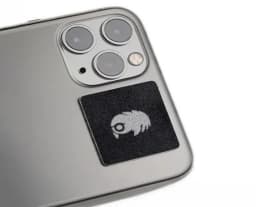
A portable cleaning pad designed to keep screens and lenses free from smudges.
Is WaterBear a screen-cleaner spray?
No. The product information used here describes a cleaning pad. Compare it as a different format, and confirm compatibility before using it on a screen or lens.
A useful next step
Write down the two requirements you cannot compromise on. Ask the seller for missing specifications and compare at least one alternative that meets those requirements. If the necessary evidence is unavailable, this guide does not provide a basis for declaring WaterBear the best option.
Our full WaterBear review sets out what the seller publishes and the main limitations we found.
Related guide: How to Choose a Phone Tripod or Flexible Mount.
ALSO IN THESE GIFT LISTS
Sources and research scope
A buying checklist with one featured product, not a ranked comparison or hands-on test. The seller source below has not been rechecked for this revision; specifications and terms need confirmation.
- WaterBear seller page: verify the current specifications and terms · not rechecked for this revision
Revised to replace unsupported rankings and make the scope of the available evidence clear.
Before ordering, record the exact model, what is included, and the delivered price with shipping, any subscription or replacement costs, and return postage. Read the return conditions for opened or used items and the deadline. A return window is not a guarantee of results or a cost-free trial, and a sale percentage is not evidence of value.